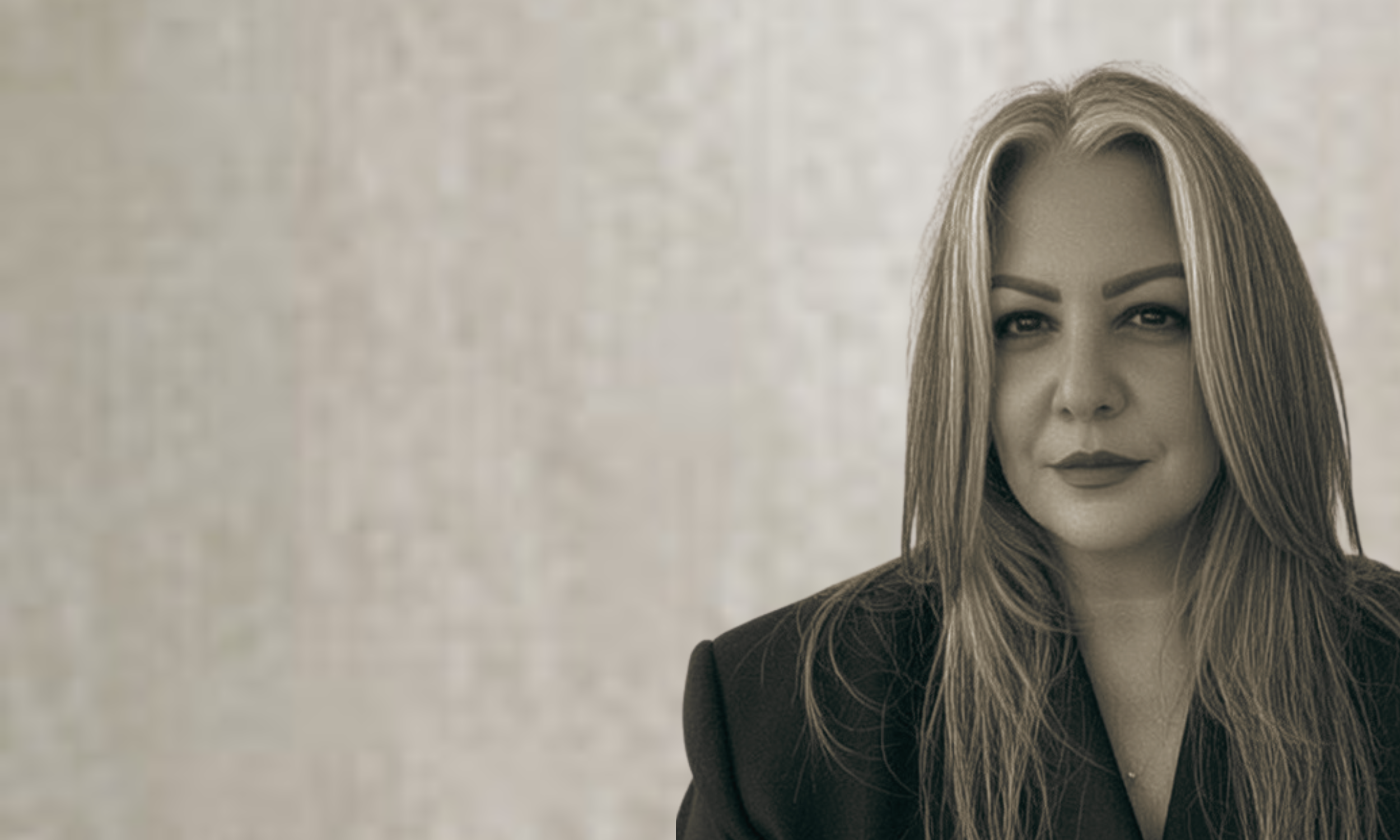
Maryanne Katsidis
Author | Advisor | Speaker
Helping capable people see the adaptations they’ve mistaken for who they are.
You can be talented and well supported and still watch the same problem come back with a different face. That’s usually when people call me.
“She named what I’ve felt for years but never articulated.”
Most of us are running on habits we built to get through something hard.
They worked, so we kept them, and somewhere along the way we started calling them our personality.
I help individuals, business owners, CEOs and boards see which of those habits is making the decisions now.

How I Work
You're clearly good at what you do. What I see again and again is that the thing that got you here is often the thing holding you in place now.
Say you've been meaning to raise your prices for a year, and every time you sit down to do it you find a good reason to wait. Or say a subpoena lands on your desk out of nowhere. Within minutes you're picturing the board meeting, the headlines and the sack. Strip it back and there's usually been no breach at all. You're reacting to something from twenty years ago, when being caught out meant being humiliated, and your body hasn't caught up with the fact that you're the one in charge now.
It shows up in smaller ways too: the eighteen-hour days and the emails at 2am, the executive team that pits business units against each other in the name of healthy competition, the CEO who only really talks to three people, the owner who can't take a day off without checking in, and the person who already knows the answer and checks it with everyone anyway.
Whatever's showing up on the surface is almost never what's actually running the moment. What's running it is what I work with.
What This Actually Is
I'm an advisor. You bring me what's going on, I tell you what I see underneath it, and we work with it then and there.
If there's anything for you to do afterwards, it's like the aftercare a doctor gives you once something's been dealt with: keep it clean, stay off it for a few days. It's different for everyone, it's usually quick, and you won't be doing it forever.
I don't think you're a project that needs finishing, whether that's a leadership optimisation project or a more evolved version of yourself waiting to be unlocked. I refuse that premise. Most of the time you already know the answer. We're two people finding out what's true together, and I know where to look.
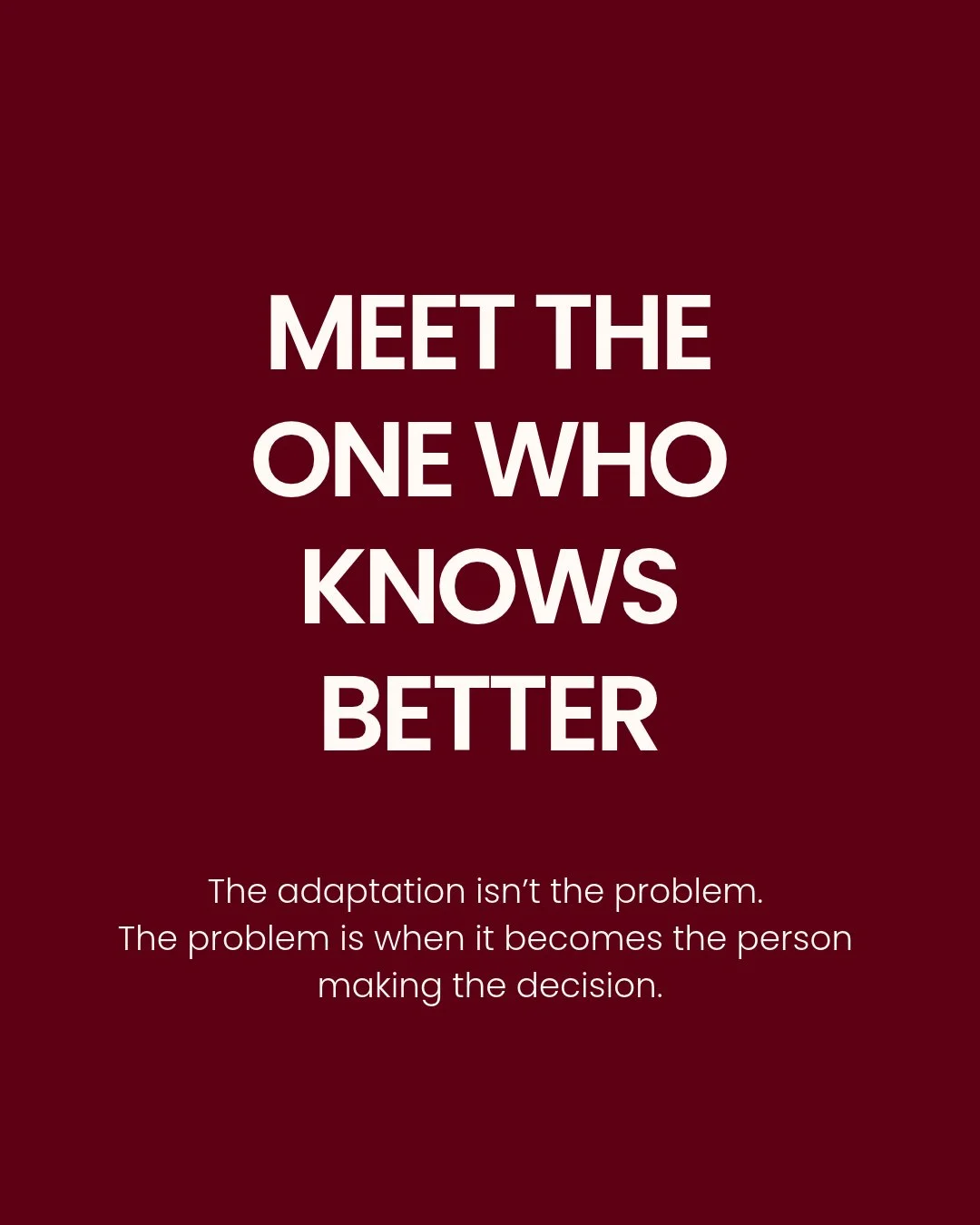
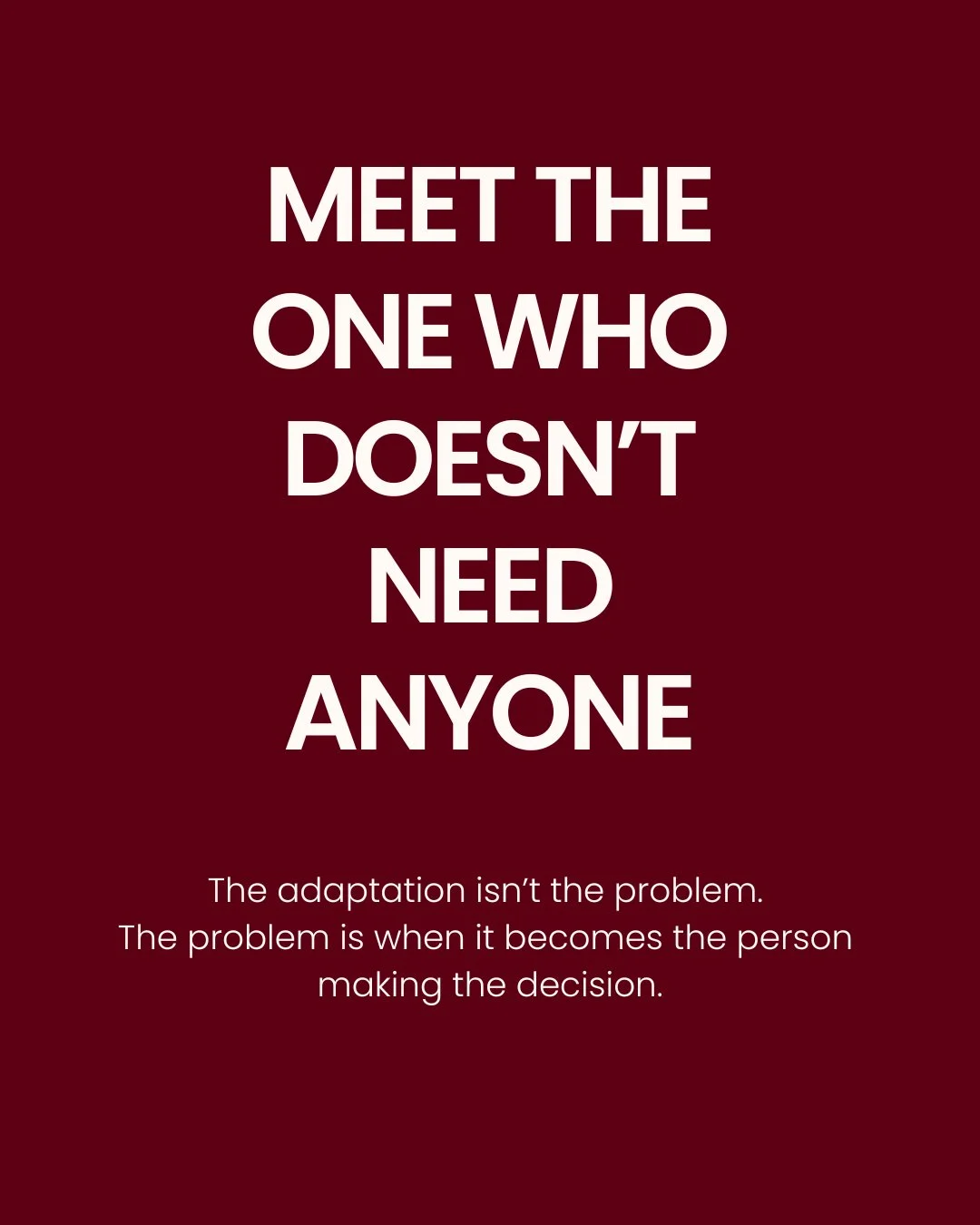
What you get back is your own judgment, so the next decision comes from you and the adaptation can sit down.
What It’s Costing You
Most people will tell you "that's just how I am."
It's a comfortable thing to believe, because if it's your personality, nobody can ask you to change it, including you. What I think most people actually want is to find out who they'd be if they didn't have to hold it all together.
The conversation you're avoiding right now will still be waiting in twelve months, with more people watching and more riding on it. Another productivity app, another offsite, another workshop or another round of EQ training won't reach it, because none of them go near what's running underneath.
What Changes
Once you can see the adaptation, things get practical quickly. You stop having the same argument with yourself. Conversations get more honest, decisions get cleaner because there's less being managed underneath them, and you put down a lot of what was never yours to carry.
In plain terms, less of your energy goes into managing the adaptation and more goes into your life, your business or your organisation. The four practices I use come from the book I'm writing, and you can read about them on The Work page.
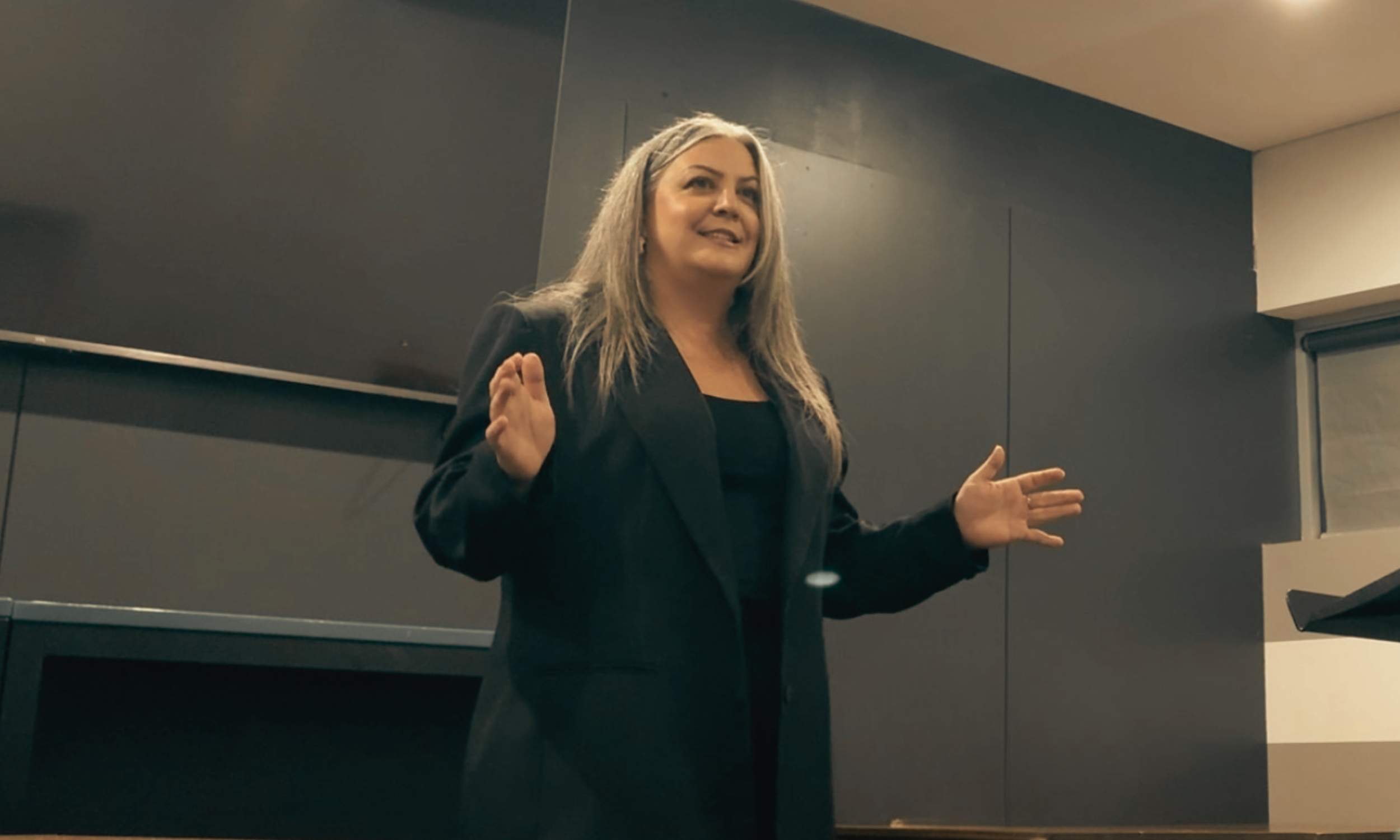
Signature Keynote
The Greatest Limitation: Why the adaptations we build to survive become the ceiling on human potential.
What People Say After

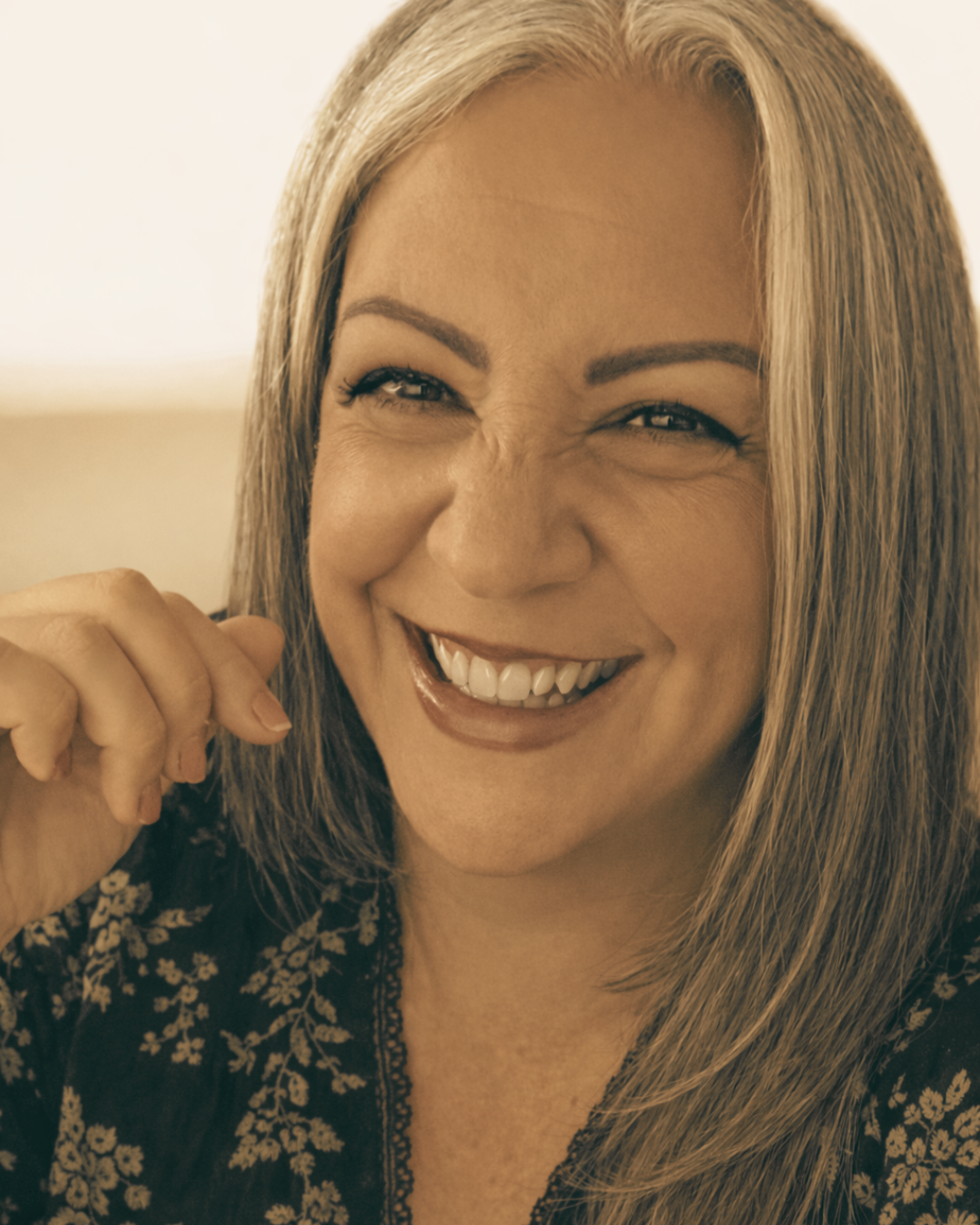
Meet
Maryanne Katsidis
My body stopped me a few years ago, and that's when I finally saw in myself what I'd spent twenty years seeing in other people.
I learned to see this the hard way, through family dynamics, through my own body, through loss and through boardrooms. Nothing essential was ever missing in anyone. It was just covered over.
I didn't have language for it at first. I just kept seeing it, in one-on-ones, in the pause before someone says the real thing.
I don't mind what your title is. The person running a company, the person running the shop down the street, the parent who's stretched thin and the person who can't break the recurring theme in their life are all deciding from somewhere.
I think it's communities, more than any sector, that change the world.
I help people see what's been running things without their permission, so it can stop.
Explore The Work
-

For You
Start here if something feels off and you can't name it yet. One private 90-minute session, and you leave seeing what's been shaping the moment you're in.
-

For Your Business
For the person the whole business leans on.
Start with one session to see what's in the way, then take it further if it helps.
-
For Leaders and Organisations
For CEOs, boards and leadership teams who already have the capability and still can't get the thing to move.
A Recalibration Session, Executive Decision Advisory, Boardroom Recalibration or an Enterprise Partnership.
You've Probably Already Seen This
The executive who carries everything alone, and calls it being reliable.
The board that mistakes agreement for alignment.
The founder who can't stop proving something, even now.
The leader everyone calls resilient, who can't remember what ease feels like.
The person who says yes to everything and calls it being easy to work with.
You've seen adaptation before.
You've just been calling it dedication, resilience, high performance or being a safe pair of hands.
More Than You’re Saying
A lot of leadership happens in what people don't say out loud.
Conversations on adaptation, leadership and what it means to be human, with the people actually in it.
Frequently Asked Questions
-
People working through something personal, and people running their own business. It's also for the CEOs, boards, senior leaders and HR teams who carry an organisation. What they share is being capable, successful in their own way, and still stuck on something effort and strategy haven't touched.
-
You tell me what's going on, I ask questions, and I tell you what I see and what I think would help. If it's a fit, I'll tell you what the work involves and what the investment is before anything is booked.
-
Book a conversation.
We'll talk it through, and I'll tell you what I think would help, whether that's a personal session, work on your business, or something for you as a leader.
-
It depends on what's needed and what's riding on it, so I set it after we've spoken. You'll know the investment before anything is booked.
-
When restructures, training, new hires and consultants haven't shifted what's underneath. Sometimes earlier, if a leader already knows something's off.
-
No. Coaching builds skills, works toward goals and generally asks you to change something. I'm an advisor. I look at what's already running underneath your skill and awareness, tell you what I see, and we work with it. You won't leave with homework or a programme to keep up.
-
No. We won't spend the session going through your childhood. If something from years back comes up, it's because it's directly connected to what's happening now.
-
Yes. Most sessions are private Zoom calls, and boardroom work can happen in the room or on Zoom.
-
Yes, and I encourage it. It's how things move fastest.
-
Most rooms want to keep the conversation going. That's usually where advisory or partnership work begins.
From the Journal
Where the ideas behind the work keep unfolding.


I Noticed Something
I write about the habits we picked up to get through life, and what happens when they start making our decisions. It arrives every second week and it's meant to be read slowly, so come in whenever you're ready.